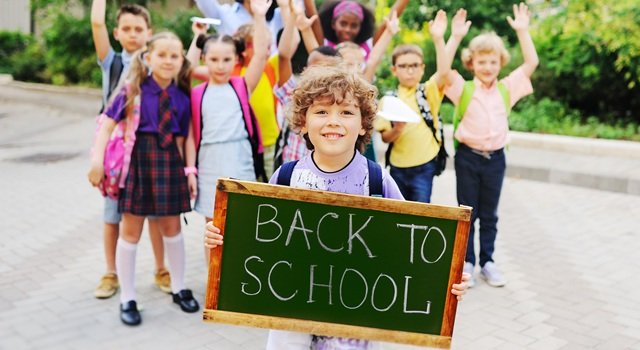
A fresh school year brings new teachers, harder assignments, longer reading sessions, sports, and plenty of screen time. Clear, comfortable vision helps children keep up with each part of their day, from reading the board to finishing homework after dinner.
At Eye & Ear of the Palm Beaches, our eye doctor provides family-focused eye care for children in Boynton Beach, Florida. A comprehensive eye exam can uncover vision changes that may affect your child’s comfort at school, even when they seem to see well at home.
Clear Vision Supports Learning
Children rely on their eyes throughout the school day. They shift focus from a nearby worksheet to a distant board, follow words across a page, work on laptops and tablets, and move through busy classrooms. Clear vision helps make these everyday tasks easier.
Some children adapt to changes in vision quietly. They may move closer to the board, hold books close to their faces, squint at distant objects, or lose interest in reading. A comprehensive eye exam gives our eye doctor a closer look at visual clarity and eye health, helping families address changes that could affect a child’s school day.
Watch for Vision Changes During School
The first weeks of school give parents a useful window into how their child handles increased visual demands. New habits, complaints, or changes in school routines can offer clues that it’s time for an eye exam.
Squinting at the Board
Myopia, or nearsightedness, makes distant objects look blurry while nearby objects remain clearer. A child may read a book comfortably yet struggle to see writing across the classroom.
Dr. Barry Frankel, O.D, has a particular interest in pediatric eye care, while Dr. Pamela Reekers, O.D, is certified in corneal refractive therapy for myopia control. This gives families access to experienced care when nearsightedness begins to affect a child’s daily vision.
Sitting Closer to Screens
Moving closer to a television, computer, or classroom display can point to blurry distance vision. Children may also hold tablets, books, or homework unusually close when their prescription changes.
Parents who notice these habits can read about healthy eye habits for children and talk with our eye doctor about changes they see at home or hear about from teachers.
Headaches After Reading
School can mean hours of close-up work. Reading, writing, tablets, laptops, and homework all ask the eyes to focus at near distances.
A child who regularly mentions tired eyes, blurry vision, or headaches after school may benefit from a comprehensive eye exam. Our eye doctor can check their prescription and eye health and talk with your family about their daily visual demands.
Trouble With Sports
Vision follows children beyond the classroom. South Florida’s warm climate gives students plenty of opportunities for outdoor activities throughout the school year. Clear sight and proper eye protection matter when children track a ball, judge distance, or react to fast movement.
For children involved in athletics, protective sports eyewear can help protect their eyes while supporting clear vision on the field or court.
Interest in Contact Lenses
Older children and teens may start asking about contact lenses as school, sports, and social activities become a larger part of daily life. Readiness depends on maturity, hygiene habits, eye health, and the ability to follow lens-care directions.
At Eye & Ear of the Palm Beaches, a contact lens exam and fitting allows our eye doctor to examine your child’s eyes and discuss lens options that suit their vision and daily routine.
Build Eye-Healthy Habits Into the School Day
An eye exam provides a strong starting point, while everyday habits can help children stay comfortable through long school days. South Florida families also have year-round sunshine to consider alongside the growing amount of time children spend reading and looking at digital devices.
Parents can make eye care part of the normal school routine:
- Encourage regular breaks during long periods of reading, homework, or screen use.
- Give children opportunities to spend time outdoors after hours of close-up classroom work.
- Choose sunglasses with UV protection for outdoor activities in the Florida sun.
- Keep glasses clean and store them in a protective case when they come off.
- Ask children how their eyes feel after reading, using a computer, or finishing homework.
- Watch for squinting, eye rubbing, headaches, or changes in how close a child sits to screens.
These habits can become as routine as packing lunch or checking a backpack before school. Regular comprehensive eye exams also give our eye doctor a chance to follow your child’s vision as they grow.
Give Your Child a Clearer School Year in Boynton Beach
Clear, comfortable vision gives children one more tool for handling the classroom, homework, sports, and the experiences that fill their school year.
Families in Boynton Beach, Florida can turn to Eye & Ear of the Palm Beaches for warm, attentive eye care built around their child’s needs. Give your child a clear view of the school year ahead and request an eye exam with our eye doctor today.
Frequently Asked Questions
Does My Child Need an Eye Exam Before School?
A comprehensive eye exam gives our eye doctor a detailed look at your child’s vision and eye health. An exam can be especially useful when a child squints, mentions blurry vision or headaches, sits closer to screens, or has trouble seeing classroom materials.
What Are Common Signs of Myopia in Children?
Children with myopia often see nearby objects clearly while distant objects appear blurry. Parents may notice squinting, moving closer to the television, trouble seeing the board at school, or holding objects closer for a clearer view.
Can School Screen Time Make My Child’s Eyes Tired?
Long periods of close-up work can leave some children with tired or uncomfortable eyes. Regular breaks from computers, tablets, books, and homework give their eyes opportunities to shift focus throughout the day.
Can Children Wear Contact Lenses to School?
Some children and teens can successfully wear contact lenses when they are mature enough to handle and care for them responsibly. Our eye doctor can examine your child’s eyes, discuss their routine, and determine whether contact lenses suit their needs.